How to Sell Your Home Fast: Proven Tips for Sellers
Selling your home is one of the biggest financial decisions you'll ever make. Whether it's your first time or you've done it before, the right strategy can mean thousands more in your pocket — and a much smoother experience. Here's everything you need to know to sell your home with confidence.
1. Know Your Market Before You List
Before you put up a "For Sale" sign, understand what's happening in your local real estate market. Selling in a seller's market vs. a buyer's market requires completely different approaches.
1. Research Comparable Sales (Comps)
Look at homes similar to yours — same size, age, and neighborhood — that sold in the last 90 days. This tells you what buyers are actually paying, not just what sellers are asking.
2. Identify the Best Time to Sell
Spring and early summer are historically peak seasons for home sales. If you can time your listing to coincide with high buyer demand, your home will attract more offers — often above asking price.
3. Track Local Inventory Levels
Fewer homes on the market means less competition for your listing. Check how many homes are currently listed in your zip code. Low inventory = more leverage as a seller.
2. Price it Right from Day One
Overpricing is the #1 mistake sellers make. A home priced too high sits on the market, grows stale, and eventually sells for less than it would have if priced correctly from the start.
Pro tip: Homes priced within 3% of market value sell 2x faster than those priced above it. Your first two weeks on the market are your most powerful.
1. Request a Comparative Market Analysis (CMA)
A licensed real estate agent can run a free CMA that compares your home to recent nearby sales. This data-driven approach removes emotion from pricing and anchors you to what buyers will pay.
2. Avoid "Testing" the Market with a High Price
Buyers notice when a home has been sitting. A price reduction later signals desperation and weakens your negotiating position. Start strong instead.
3. Use Psychological Pricing
Listing at $299,900 instead of $300,000 keeps your home in more search filters and feels like a better deal to buyers — small change, real impact.
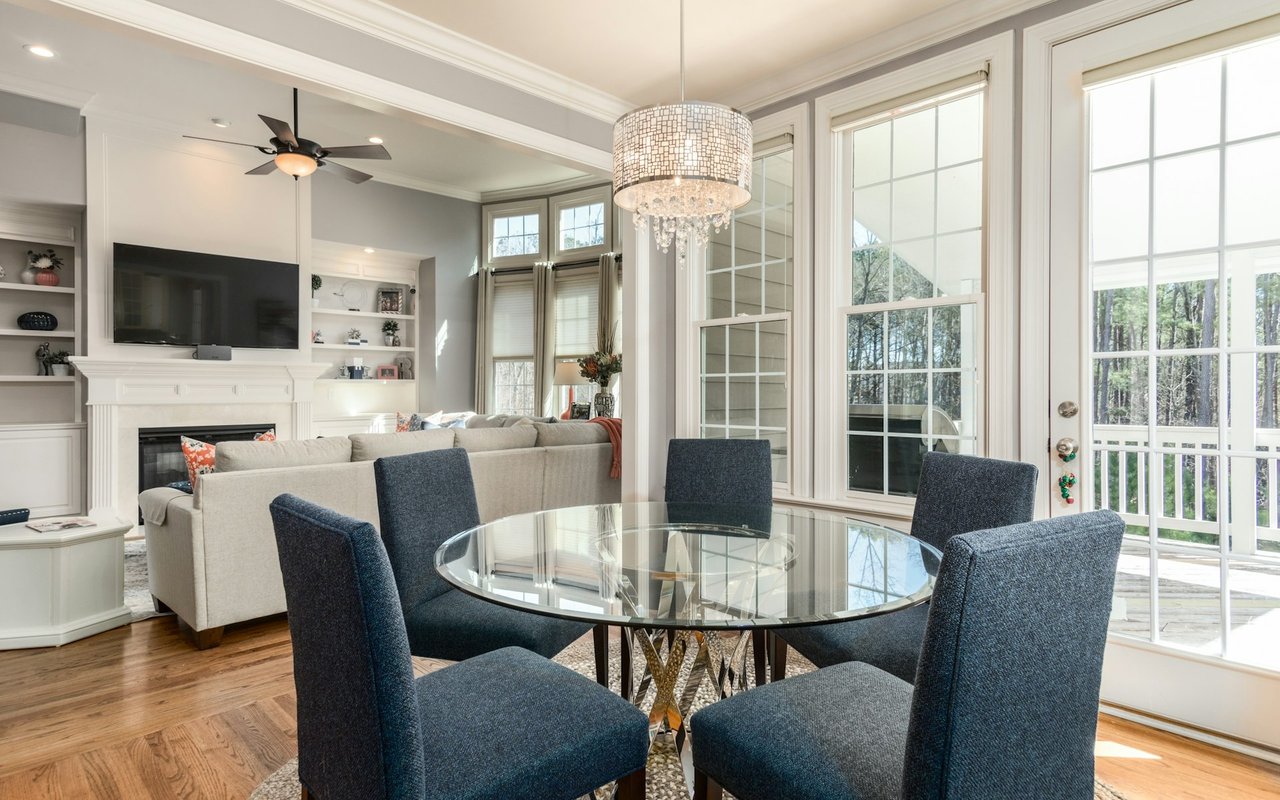
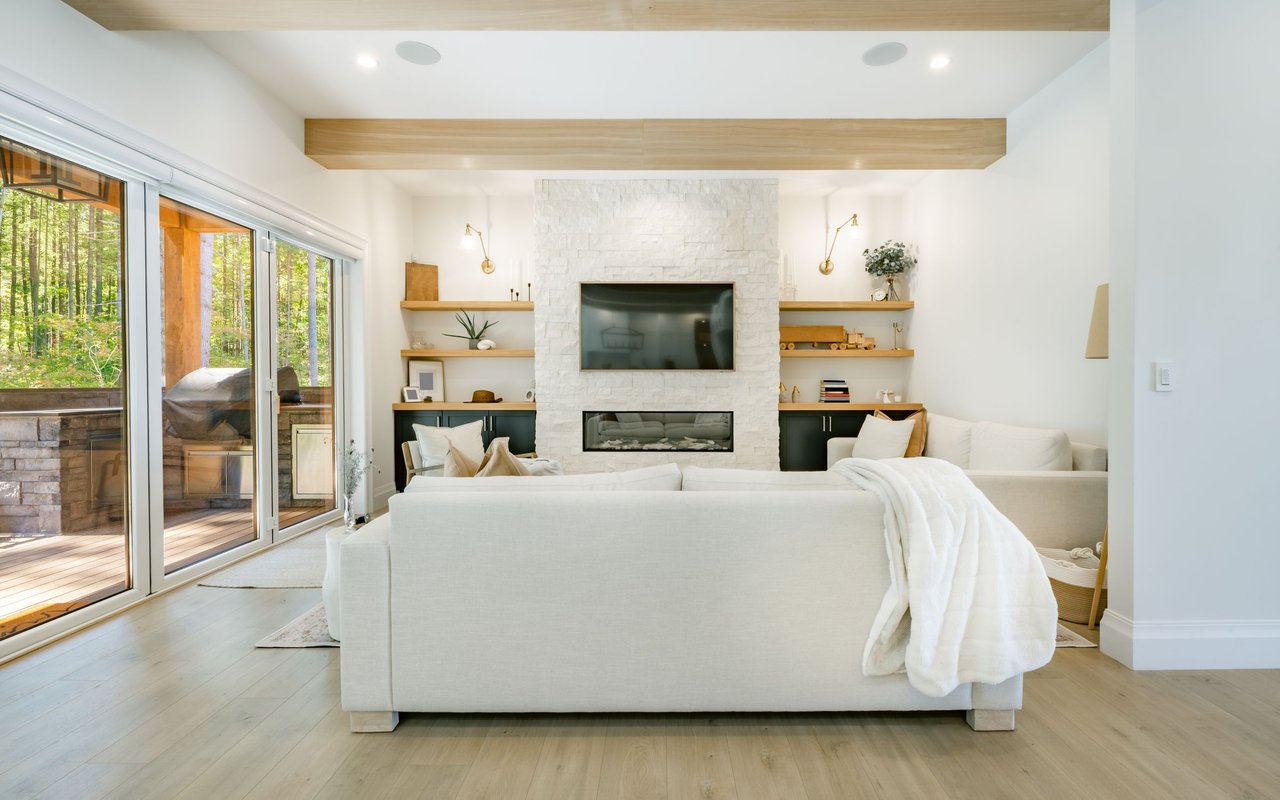
3. Stage Your Home to Impress Buyers
Buyers decide within seconds whether they can picture themselves living in your home. Staging removes distractions and lets them fall in love with the space — not your stuff.
1. Declutter Every Room Ruthlessly
Pack away personal photos, excess furniture, and anything that makes rooms feel smaller. Rent a storage unit if needed. Buyers need to see the home, not your belongings.
2. Boost Curb Appeal Immediately
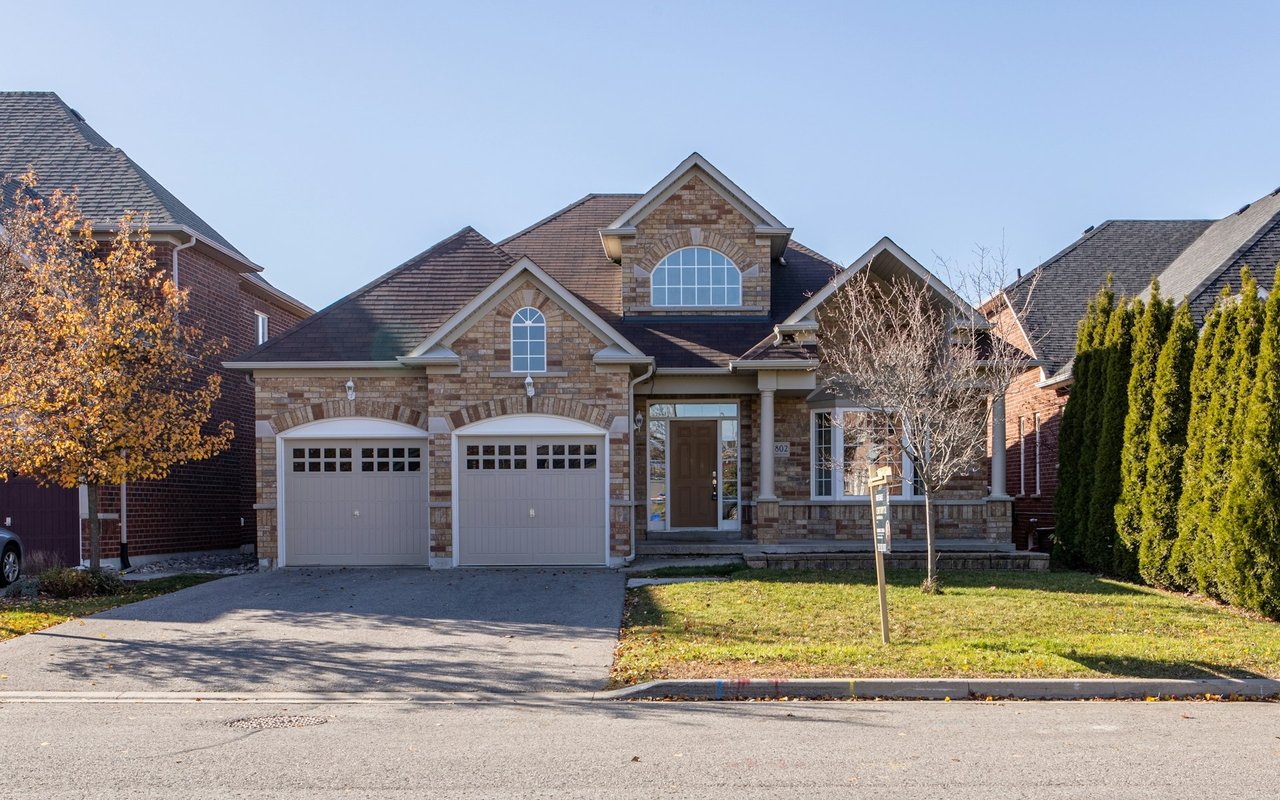
Mow the lawn, plant fresh flowers, power wash the driveway, and repaint the front door if needed. First impressions happen before buyers even walk inside.
3. Invest in Professional Photography
Over 95% of buyers start their search online. Listings with professional photos get significantly more clicks and showings. This is not the place to cut corners.
4. Market Your Listing Effectively
Getting your home in front of the right buyers requires more than a yard sign. A multi-channel marketing approach dramatically increases your exposure — and your offers.
1. List on the MLS Immediately
The Multiple Listing Service syndicates your listing to Zillow,
Realtor.com, Redfin, and hundreds of other sites automatically. This single step puts your home in front of thousands of active buyers.
2. Promote on Social Media
Share your listing on Facebook Marketplace and neighborhood groups. Video walkthroughs on Instagram and YouTube can reach buyers who aren't actively searching on real estate sites yet.
List your property directly on
homes701.com to reach motivated local buyers who are already serious about purchasing. A targeted audience means fewer tire-kickers and more real offers.
5. Negotiate Offers Like a Pro
Receiving an offer is exciting — but the deal isn't done yet. How you respond in the next 24–48 hours can significantly affect your final sale price.
1. Evaluate All Terms, Not Just the Price
A lower offer with fewer contingencies, a larger earnest money deposit, or a flexible closing date can be worth more than a high offer loaded with conditions that could fall through.
2. Counter Strategically
Instead of rejecting a low offer, counter with a price and terms that move you closer to your goal. Keep the conversation open — most deals are made in the back-and-forth.
3. Respond Quickly
Buyers who are serious are often shopping multiple homes. A slow response can cost you a buyer. Aim to respond to all offers within 24 hours to maintain momentum.
6. Close the Deal with Confidence
You're almost there. The closing process involves inspections, appraisals, and paperwork — but with the right preparation, it's manageable and rewarding.
1. Prepare for the Home Inspection
Fix minor issues before the buyer's inspector arrives — leaky faucets, broken outlets, HVAC filters. Small repairs prevent big renegotiations that could delay or derail the sale.
2. Stay Organized with Your Paperwork
Gather your title, HOA documents, warranties, permits, and utility records in advance. Missing documents are the #1 cause of closing delays. Be proactive.
3. Do a Final Walkthrough with Your Agent
Walk through your home one last time before closing to ensure all agreed-upon repairs are done, and nothing has changed since the offer was accepted. This protects both you and the buyer.